Your brain requires specific nutrients to maintain sharp memory, focus, mood, and long-term cognitive function while reducing the risk of decline. The best foods for brain health are rich in omega-3 fatty acids, antioxidants, choline, vitamin K, folate, and anti-inflammatory compounds. These support neuron structure, improve blood flow, fight oxidative stress, and promote neurogenesis.
In 2026, research continues to highlight the MIND diet (a hybrid of Mediterranean and DASH diets) as one of the top eating patterns for brain health. It emphasizes leafy greens, berries, nuts, fish, whole grains, beans, and olive oil while limiting processed foods, red meat, and sweets.
Here are the most evidence-backed foods to include in your daily diet.
1. Fatty Fish (Salmon, Mackerel, Sardines, Bangda)
Rich in omega-3 fatty acids (especially DHA), which make up a large part of brain cell membranes and support communication between neurons.
- How to eat: Grilled, baked, or in Indian-style curry/fish fry 2–3 times per week.
- Benefit: Improves memory, reduces inflammation, and may lower the risk of cognitive decline.
2. Berries (Blueberries, Strawberries, Blackberries, Jamun, Amla)
Packed with flavonoids and polyphenols — powerful antioxidants that protect brain cells from oxidative damage and improve blood flow.
- How to eat: Fresh as snacks, in smoothies, raita, or yogurt parfaits. Indian options like jamun and amla offer similar benefits.
- Benefit: Enhances memory, learning, and may delay age-related cognitive decline.
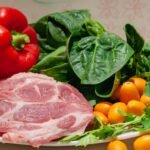
3. Leafy Greens (Spinach, Kale, Methi, Palak, Moringa)
Loaded with vitamin K, folate, lutein, and beta carotene that support brain structure and slow cognitive aging.
- How to eat: Daily sabzi, palak paneer, methi thepla, or in smoothies/salads.
- Benefit: Eating one serving daily may make your brain appear up to 11 years younger in function.
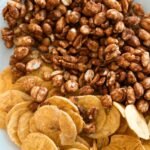
4. Nuts and Seeds (Walnuts, Almonds, Pumpkin Seeds, Flaxseeds, Chia)
Provide vitamin E, healthy fats, and plant-based omega-3s that protect against oxidative stress and support brain cell health.
- How to eat: A small handful daily as a snack, in curd, or added to upma/oats. Walnuts are especially brain-shaped and rich in omega-3s.
- Benefit: Improves cognitive processing speed and overall brain protection.
5. Eggs
Excellent source of choline, a nutrient essential for producing acetylcholine — a neurotransmitter involved in memory and mood.
- How to eat: Boiled, omelette with veggies, or bhurji for breakfast.
- Benefit: Supports memory formation and communication between brain cells.
6. Whole Grains and Millets (Oats, Brown Rice, Ragi, Jowar, Bajra)
Supply steady energy through complex carbs and fiber while providing B vitamins for brain function.
- How to eat: Oatmeal/upma, millet roti, or brown rice instead of white rice.
- Benefit: Helps maintain focus and prevents energy crashes that affect concentration.
7. Turmeric (Haldi)
Contains curcumin, a potent anti-inflammatory and antioxidant compound that can cross the blood-brain barrier.
- How to eat: In daily curries, dal, golden milk (haldi doodh), or with a pinch of black pepper for better absorption.
- Benefit: Reduces brain inflammation and may support memory and mood.
8. Additional Powerful Options
- Broccoli and Cruciferous Vegetables: High in vitamin K and antioxidants for brain cell protection.
- Avocados: Healthy monounsaturated fats that support blood flow to the brain.
- Dark Chocolate (70%+ cocoa): Flavonoids that improve blood flow and mood (in moderation).
- Beans and Lentils (Dals): Plant protein, fiber, and folate for sustained brain energy.
- Green Tea: Contains L-theanine and antioxidants for calm focus.
Practical Tips to Boost Brain Health Through Food
- Follow MIND diet principles: Prioritize greens (daily), berries (several times a week), nuts (daily), fish (weekly), and olive oil or mustard oil for cooking.
- Meal ideas (Indian-friendly):
- Breakfast: Oat upma with veggies + boiled egg or sattu shake.
- Lunch: Dal + brown rice/millet roti + palak sabzi + curd with berries/jamun.
- Snack: Handful of walnuts/almonds + green tea or haldi doodh.
- Dinner: Grilled fish or paneer stir-fry with broccoli and turmeric.
- Combine nutrients: Pair turmeric with black pepper; eat fatty fish with veggies for better absorption.
- Hydration and lifestyle: Stay well-hydrated, exercise regularly, manage stress, and get quality sleep — food works best alongside these habits.
Common Pitfalls to Avoid
- Relying heavily on supplements instead of whole foods.
- Over-consuming processed foods, sugary drinks, or fried items that promote inflammation.
- Eating the same foods daily — variety ensures a broad range of nutrients.
- Ignoring portion sizes (even healthy nuts are calorie-dense).
Final Thoughts: Nourish Your Brain Daily in 2026
The best foods for brain health — fatty fish, berries, leafy greens, nuts, eggs, turmeric, and whole grains — are accessible, delicious, and supported by strong research. Consistent intake as part of a Mediterranean or MIND-style diet can sharpen focus, protect memory, and support long-term cognitive vitality.
Action Steps Today:
- Add one brain-boosting food to each meal (e.g., spinach in lunch, walnuts as snack, turmeric in dinner).
- Include berries or jamun a few times this week.
- Swap refined grains for whole grains or millets where possible.
Small daily choices compound over time. For personalized advice (especially with existing conditions), consult a doctor or registered dietitian. Feed your brain well and enjoy clearer thinking every day!