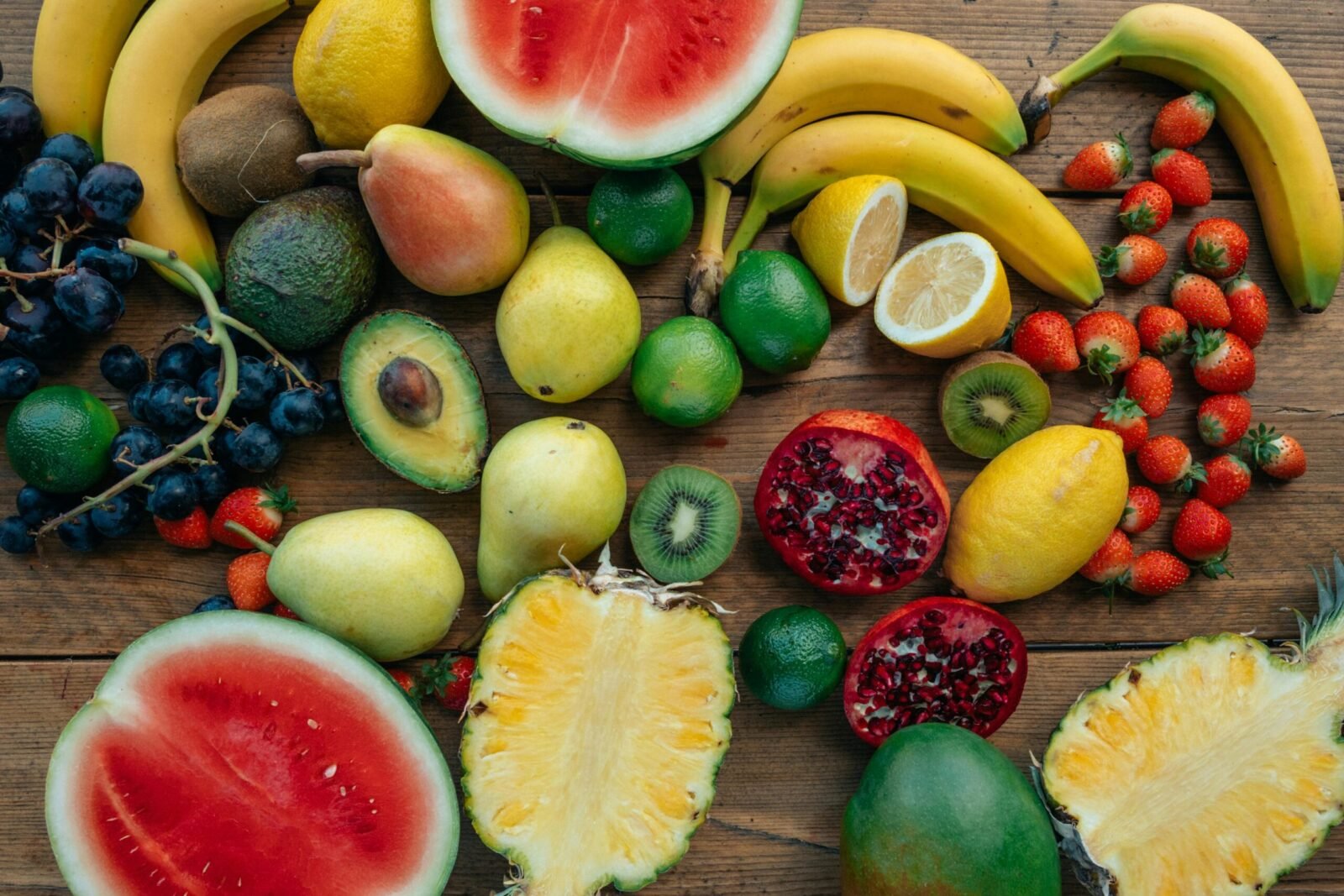
Eating seasonal fruits means enjoying produce harvested at its peak ripeness. These fruits are fresher, tastier, more nutrient-dense (up to 30% higher in vitamins and antioxidants), and often more affordable than out-of-season options. They support overall health, boost immunity, aid digestion, promote hydration, and reduce environmental impact by minimizing long-distance transportation.
In 2026, seasonal eating continues to gain popularity for its nutritional superiority and sustainability. Whether you’re in India (with distinct summer, monsoon, and winter cycles) or the USA, aligning your diet with nature’s calendar maximizes benefits like better immunity, gut health, heart support, and skin glow.
Benefits of Eating Seasonal Fruits
- Higher nutritional value: Peak-ripeness fruits retain more vitamins, minerals, fiber, and antioxidants.
- Better flavor and freshness: Naturally sweet without artificial ripening.
- Cost-effective: Abundant supply lowers prices.
- Supports local farmers and environment: Reduced carbon footprint.
- Season-specific support: Summer fruits hydrate and cool the body; winter fruits strengthen immunity.
Spring Fruits (March–May)
Spring brings lighter, refreshing fruits rich in vitamin C and antioxidants for post-winter recovery and immunity.
- Strawberries: Packed with vitamin C (over 100% DV per cup), fiber, and antioxidants. They boost immunity, reduce inflammation, support skin health, and aid iron absorption.
- Apricots: Excellent source of vitamin A, C, potassium, and fiber. Support vision, skin, and digestion.
- Kiwi: High in fiber (about 8g per fruit) and actinidin enzyme. Improves digestion, eases constipation, and may support gut health.
- Pineapple: Rich in vitamin C, manganese, and bromelain (digestive enzyme). Aids digestion and reduces inflammation.
- Avocados (early spring in some regions): Healthy fats for heart health and nutrient absorption.
Summer Fruits (June–August)
Summer fruits are hydrating, antioxidant-rich, and perfect for hot weather energy and recovery.
- Mangoes (especially popular in India): Loaded with vitamins A and C, plus antioxidants. Support immunity, digestion, eye health, and skin glow.
- Watermelon & Cantaloupe: Over 90% water content for hydration. Provide lycopene (heart health), vitamin C, and amino acids that may aid muscle recovery.
- Peaches & Stone Fruits (nectarines, plums): Rich in vitamins A and C, potassium, and fiber. Support skin, immune health, and digestion.
- Berries (blueberries, raspberries, blackberries): High in antioxidants and flavonoids. Improve brain function, reduce type 2 diabetes risk, and support heart health.
- Cherries: Anti-inflammatory; help with muscle soreness and sleep (natural melatonin).
Monsoon/Rainy Season Fruits (July–September, India-focused)
These fruits help with digestion and immunity during humid, infection-prone weather.
- Jamun (Indian blackberry): Supports digestion, blood sugar regulation, and immunity.
- Lychee: Hydrating with vitamin C; boosts energy and skin health.
- Pomegranate: Antioxidant powerhouse; supports heart health, reduces inflammation, and boosts immunity.
- Guava: High in vitamin C and fiber; aids digestion and immunity.
Fall/Autumn Fruits (September–November)
Fall fruits provide sustained energy and immune support as temperatures drop.
- Apples: Fiber-rich (pectin) for gut health; antioxidants for heart and brain.
- Pears: High in fiber and vitamin C; support digestion and weight management.
- Grapes: Resveratrol for heart health and anti-aging benefits.
- Figs: Good source of fiber, potassium, and calcium for bone and digestive health.
Winter Fruits (December–February)
Winter fruits are citrus-heavy, offering vitamin C to fight colds and flu.
- Oranges, Grapefruit & Other Citrus: Excellent vitamin C source for immunity, skin health, and iron absorption. Also provide potassium for heart and blood pressure support.
- Pomegranates: Continue into winter; rich in antioxidants for overall wellness.
- Bananas (year-round but abundant): Potassium for muscle function and energy.
- Kiwi & Passion Fruit: Gut-boosting fiber and enzymes.
Note: Some fruits like bananas, apples, and pineapples are available year-round due to global supply and storage, but peak-season versions offer optimal taste and nutrition.
Tips to Enjoy Seasonal Fruits
- Buy from local markets or farmers for maximum freshness.
- Eat a rainbow of colors for diverse nutrients.
- Incorporate into meals: Smoothies, salads, yogurt parfaits, or as simple snacks.
- Pair with protein (e.g., Greek yogurt with berries) for balanced blood sugar.
- Store properly: Most keep better in the fridge, but some (like bananas, mangoes) ripen at room temperature.
- Aim for 2–3 servings daily to reap benefits like better digestion, stronger immunity, and glowing skin.
Common Pitfalls to Avoid
- Over-relying on imported off-season fruits (lower nutrients, higher cost).
- Ignoring variety — rotate fruits across seasons for broad nutrient coverage.
- Washing fruits improperly — rinse thoroughly under running water.
Final Thoughts: Embrace Nature’s Calendar in 2026
Seasonal fruits and their benefits make healthy eating effortless and delicious. From hydrating summer melons to immunity-boosting winter citrus, each season delivers targeted nutrition that supports your body’s changing needs.
Action Steps Today:
- Check what’s in season at your local market or grocery store.
- Add 1–2 new seasonal fruits to your weekly shopping list.
- Try simple recipes: Strawberry smoothie in spring or mango lassi in summer.
Whether you’re in Pune, India, or anywhere else, eating seasonally is one of the smartest (and tastiest) ways to nourish your body in 2026.
Always choose fresh, ripe produce and wash thoroughly. For personalized dietary advice (e.g., diabetes or allergies), consult a registered dietitian or nutritionist. Enjoy the bounty of each season for vibrant health!