Building muscle (hypertrophy) requires consistent resistance training combined with proper nutrition. Best foods for muscle gain provide high-quality protein for muscle protein synthesis, complex carbohydrates for workout energy and glycogen replenishment, and healthy fats for hormone production (like testosterone) and recovery.
In 2026, evidence-based nutrition emphasizes whole foods rich in leucine (a key amino acid that triggers muscle growth), omega-3s for reducing inflammation, and micronutrients like iron, magnesium, and B vitamins. Aim for 1.6–2.2 grams of protein per kg of body weight daily, spread across meals, while maintaining a slight calorie surplus.
Here are the top foods to include in your muscle-building diet.
1. Eggs – Complete Protein Powerhouse
Whole eggs (or egg whites) are one of the most nutrient-dense foods for muscle growth.
- Why they help: High in leucine, all essential amino acids, B vitamins, and healthy fats. They support muscle repair and hormone balance.
- How to eat: 2–4 whole eggs daily — boiled, scrambled, or in omelets with veggies.
- Protein per serving: ~6–7g per large egg.
2. Chicken Breast & Lean Poultry (Turkey)
Lean chicken is a staple for bodybuilders and athletes.
- Why they help: Extremely high in lean protein with minimal fat; easy to prepare in bulk.
- How to eat: Grilled, baked, or stir-fried with rice and vegetables.
- Protein per serving: 25–30g per 100g cooked chicken breast.
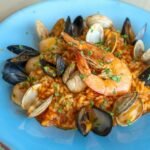
3. Fish (Salmon, Tuna, Mackerel)
Fatty fish top many 2026 lists for muscle building.
- Why they help: High-quality protein plus omega-3 fatty acids that reduce inflammation, support recovery, and may enhance muscle protein synthesis.
- How to eat: Baked salmon, canned tuna in salads, or mackerel fillets.
- Protein per serving: 20–25g per 100g; plus anti-inflammatory benefits.
4. Greek Yogurt & Cottage Cheese
Dairy proteins are excellent for slow and fast absorption.
- Why they help: Greek yogurt is strained for higher protein; cottage cheese provides casein (slow-digesting) ideal for overnight recovery.
- How to eat: Plain Greek yogurt with berries or cottage cheese with fruit/veggies as a snack.
- Protein per serving: 15–20g+ per cup of Greek yogurt.
5. Lean Beef & Red Meat (in Moderation)
Red meat supplies heme iron and creatine naturally.
- Why they help: Complete protein, zinc, iron, and creatine that support strength and muscle volume.
- How to eat: Lean cuts like sirloin, grilled or in stir-fries (limit processed meats).
6. Legumes & Plant-Based Proteins (Lentils, Chickpeas, Beans, Soybeans/Tofu)
Great for vegetarians and budget-friendly muscle building.
- Why they help: Provide plant protein, fiber, and complex carbs for sustained energy.
- How to eat: Lentil curry, chickpea salads, tofu stir-fries, or bean bowls.
- Protein per serving: 15–20g per cup cooked.
7. Quinoa, Oats & Whole Grains
Carbs are essential for fueling intense workouts.
- Why they help: Quinoa is a complete protein grain; oats and brown rice replenish glycogen stores post-workout.
- How to eat: Quinoa bowls, overnight oats with protein powder, or rice with chicken.
8. Nuts & Seeds (Almonds, Walnuts, Pumpkin Seeds, Chia)
Healthy fats and additional protein.
- Why they help: Magnesium and healthy fats support testosterone and recovery; convenient snack.
- How to eat: Handful as a snack or added to yogurt/oatmeal (watch portions due to calorie density).
9. Sweet Potatoes & Other Complex Carbs
- Why they help: Rich in carbs, fiber, and potassium for muscle function and recovery.
- How to eat: Baked sweet potatoes as a side with protein.
10. Additional Standouts
- Whey or Casein Protein (supplement when needed for convenience).
- Avocados — Healthy fats for hormone support.
- Berries & Leafy Greens — Antioxidants to combat exercise-induced inflammation.
- Milk — Natural mix of whey and casein plus calcium.
How to Build Muscle with Food: Practical Tips
- Protein timing: Consume 20–40g protein per meal, including post-workout.
- Calorie surplus: Eat slightly more calories than you burn, focusing on nutrient density.
- Carbs around workouts: Fuel training and recover with rice, oats, or sweet potatoes.
- Meal ideas:
- Breakfast: Eggs + oats + Greek yogurt.
- Lunch: Grilled chicken + quinoa + veggies.
- Post-workout: Salmon + sweet potato or protein shake with banana.
- Snack: Cottage cheese + berries or tuna bowl.
- Hydration & recovery: Drink plenty of water; include anti-inflammatory foods like fatty fish and berries.
- Vegetarian/Vegan tip: Combine sources (e.g., rice + beans) and consider leucine-rich options like soy or supplements.
Common Pitfalls to Avoid
- Relying only on protein while neglecting carbs and fats (leads to poor energy and recovery).
- Overeating junk calories instead of whole foods.
- Inconsistent intake — muscle growth requires daily consistency.
- Ignoring total calories — you need a surplus for gains.
Final Thoughts: Fuel Your Gains with Whole Foods
The best foods for muscle gain in 2026 combine high-quality proteins (eggs, chicken, fish, dairy, legumes), complex carbs (quinoa, oats, sweet potatoes), and healthy fats (avocados, nuts, salmon). Pair them with progressive strength training and adequate sleep for optimal results.
Action Steps Today:
- Calculate your daily protein needs (body weight in kg × 1.6–2.2g).
- Plan 3–4 meals/snacks with protein-rich foods from this list.
- Track your intake for a week using an app and adjust based on progress.
Whether you’re a beginner or experienced lifter, focusing on these nutrient-dense foods will accelerate muscle growth, strength, and recovery.
Results vary by individual factors like age, training, and genetics. For personalized plans, especially with dietary restrictions, consult a registered dietitian or sports nutritionist. Combine smart eating with consistent workouts for the best muscle-building outcomes!