A heart-healthy diet focuses on whole, minimally processed foods that help lower LDL (bad) cholesterol, reduce inflammation, control blood pressure, improve blood vessel function, and support overall cardiovascular wellness. According to the American Heart Association (AHA) and recent dietary guidelines, emphasize a variety of fruits and vegetables, whole grains, healthy proteins (mostly plant-based, plus fish), and liquid plant oils while limiting added sugars, saturated fats, sodium, and ultra-processed foods.
In 2026, evidence continues to support patterns like the Mediterranean diet, DASH diet, and plant-forward eating for reducing heart disease risk. These best foods for heart health are nutrient-dense, affordable, and easy to incorporate into daily Indian or Western meals.
1. Fatty Fish (Salmon, Mackerel, Sardines, Tuna)
Rich in omega-3 fatty acids (EPA and DHA) that reduce triglycerides, lower blood pressure, decrease inflammation, and prevent irregular heart rhythms.
- How to eat: Grilled, baked, or in curries (bangda or sardines in India). Aim for 2 servings per week.
- Benefit: Strongly linked to lower risk of heart attack and stroke.
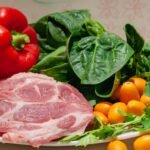
2. Leafy Greens and Colorful Vegetables (Spinach, Kale, Methi, Beets, Tomatoes)
Packed with nitrates, potassium, fiber, and antioxidants (like lycopene in tomatoes) that relax blood vessels, lower blood pressure, and fight oxidative stress.
- How to eat: Palak sabzi, beetroot salad, tomato-based curries, or daily sabzi. Include broccoli, carrots, and Brussels sprouts.
- Benefit: Daily intake can significantly reduce cardiovascular risk.
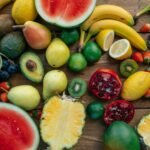
3. Berries and Other Fruits (Blueberries, Strawberries, Pomegranate, Guava, Apples, Oranges)
High in antioxidants (polyphenols, flavonoids), fiber, and vitamin C that improve endothelial function, reduce inflammation, and support healthy blood pressure.
- How to eat: Fresh, in smoothies, raita, or as snacks. Pomegranate and guava are excellent Indian options.
- Benefit: Regular consumption is associated with better heart protection and lower disease risk.
4. Whole Grains and Oats (Oats, Brown Rice, Millets like Ragi/Jowar/Bajra, Whole Wheat)
Provide soluble fiber (beta-glucan in oats) that binds cholesterol in the digestive system and helps remove it from the body.
- How to eat: Oatmeal/upma for breakfast, roti from whole wheat or millets, brown rice instead of white.
- Benefit: Lowers LDL cholesterol and supports steady blood sugar.
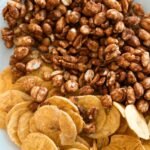
5. Nuts and Seeds (Almonds, Walnuts, Flaxseeds, Pumpkin Seeds, Chia)
Offer healthy unsaturated fats, fiber, magnesium, and plant sterols that improve cholesterol profiles and reduce inflammation.
- How to eat: A small handful (1 oz/30g) daily as a snack, in curd, or sprinkled on sabzi. Use ground flaxseeds in rotis or smoothies.
- Benefit: Linked to lower risk of heart disease when eaten regularly.
6. Legumes and Pulses (Dals, Beans, Lentils, Chickpeas, Rajma)
Excellent plant-based protein sources rich in soluble fiber, folate, and potassium that help regulate cholesterol and blood pressure.
- How to eat: Daily dal, chana salad, rajma, or sprouts. Very budget-friendly in Indian diets.
- Benefit: Strongly associated with reduced heart disease risk.
7. Extra-Virgin Olive Oil and Other Healthy Oils
Monounsaturated fats that raise HDL (good) cholesterol and lower LDL while providing antioxidants.
- How to eat: Use for cooking, tadka, or dressings (in moderation; mustard or groundnut oil also suitable for Indian cooking).
- Benefit: Core of the Mediterranean diet, proven to support heart health.
8. Garlic, Turmeric, and Heart-Friendly Spices
Garlic helps lower blood pressure and cholesterol; turmeric (curcumin) has anti-inflammatory properties.
- How to eat: Add fresh garlic to sabzi or dal; use haldi in curries and golden milk.
- Benefit: Natural compounds support vascular health with regular use.
Additional Standouts
- Avocados — Healthy fats and potassium.
- Dark chocolate (70%+ cocoa, in moderation) — Flavonoids for blood vessel function.
- Low-fat or fat-free dairy (or fermented options like curd) — In moderation for calcium and protein.
- Green tea — Antioxidants that may improve cholesterol.
Practical Tips to Build a Heart-Healthy Diet
- Fill half your plate with vegetables and fruits.
- Choose mostly plant proteins; include fatty fish twice a week.
- Cook with liquid plant oils instead of ghee or butter for daily use.
- Limit sodium (<2,300 mg/day, ideally less), added sugars, and processed/red meats.
- Indian meal ideas: Moong dal + brown rice + palak sabzi + curd; oats upma with veggies; grilled fish with millet roti.
- Portion control and consistency matter more than perfection.
Common Pitfalls to Avoid
- Relying on supplements instead of whole foods.
- Overdoing even healthy fats (nuts/oils are calorie-dense).
- Choosing sweetened or heavily processed versions (flavored oats, salted nuts).
- Ignoring overall lifestyle — combine with exercise, stress management, and no smoking.
Final Thoughts: Protect Your Heart with Everyday Foods
The best foods for heart health in 2026 are simple, accessible staples like fatty fish, leafy greens, berries, oats, dals, nuts, and olive oil. Following AHA and Mediterranean-style patterns can significantly lower your risk of heart disease while improving energy and longevity.
Action Steps Today:
- Add one new heart-healthy food (e.g., oats for breakfast or a handful of almonds) to your routine.
- Swap refined grains for whole grains or white rice for brown/millets.
- Check your plate — aim for more plants and colorful produce.
Always consult your doctor or a registered dietitian for personalized advice, especially if you have existing heart conditions, high cholesterol, or take medications. Small, consistent changes in what you eat can make a big difference for your heart!